





Direct access to all photorealistic digital twins and WebXR simulations across India
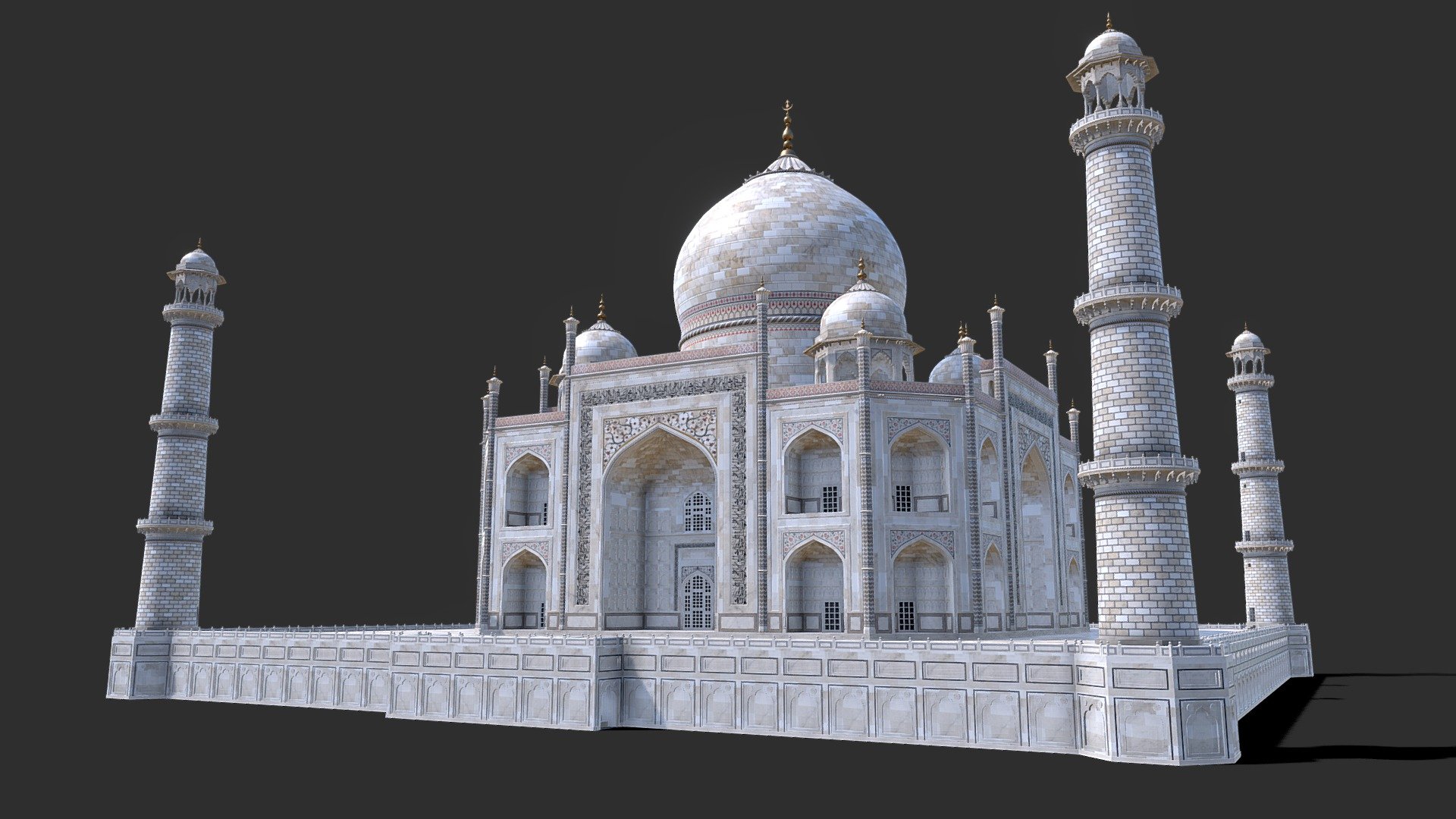
Commissioned by Mughal Emperor Shah Jahan for Empress Mumtaz Mahal. A symmetrical marvel of white Makrana marble, four outward-canted minarets, central onion dome, and intricate Pietra Dura semiprecious stone inlays.
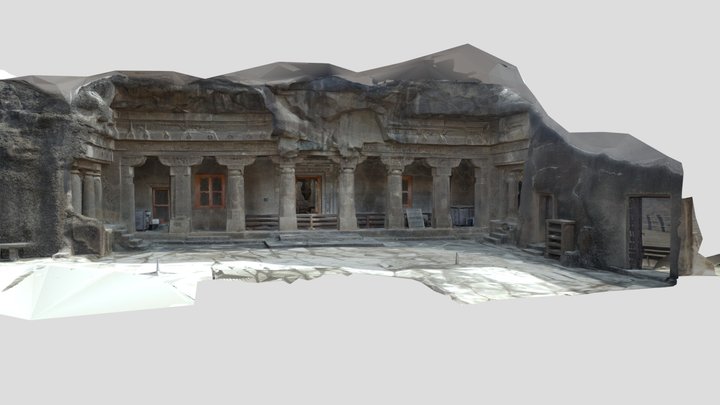
Ancient rock-cut Buddhist, Hindu, and Jain cave monuments excavated out of solid volcanic basalt cliffs. Renowned globally for timeless mural masterpieces, monolithic Kailasa temple engineering, and sacred Chaitya prayer halls.
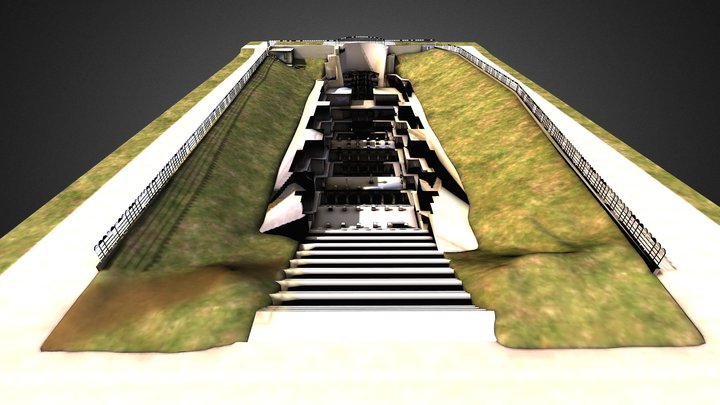
Commissioned by Queen Udayamati in memory of King Bhima I, this masterpiece of Maru-Gurjara stepwell architecture descends into seven subterranean terraces lined with over 500 principal sculptures celebrating Lord Vishnu.
Rising dramatically above Maota Lake amidst the rugged Aravalli hills, Amer Fort unites martial Rajput fortification with opulent courtly elegance, featuring marble courtyards, Sheesh Mahal mirror mosaics, and the Ganesh Pol gate.
Dominating the Kolkata Maidan, this grand white marble monument blends British, Mughal, Venetian, and Egyptian architectural influences. Crowned by a 16-foot rotating bronze Angel of Victory and surrounded by 64 acres of manicured gardens.
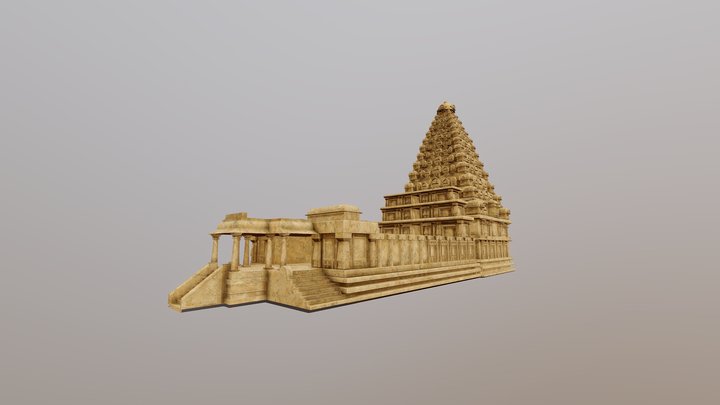
Consecrated by Emperor Raja Raja Chola I on the Cauvery delta, Peruvudaiyar Kovil stands as the supreme summit of Dravidian temple architecture, crowned by a 216-foot soaring granite tower sculpted from 130,000 tonnes of granite.
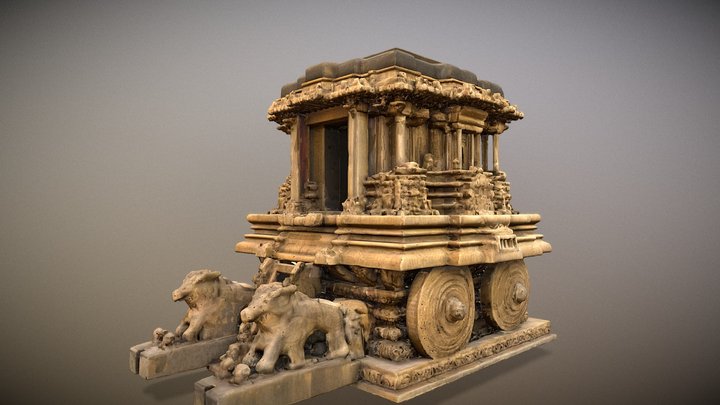
Standing majestically within the courtyard of the Vijaya Vittala Temple, this iconic shrine dedicated to Garuda is sculpted from interlocking granite slabs to resemble a colossal battle chariot, celebrated across the world as an emblem of Karnataka's golden age.
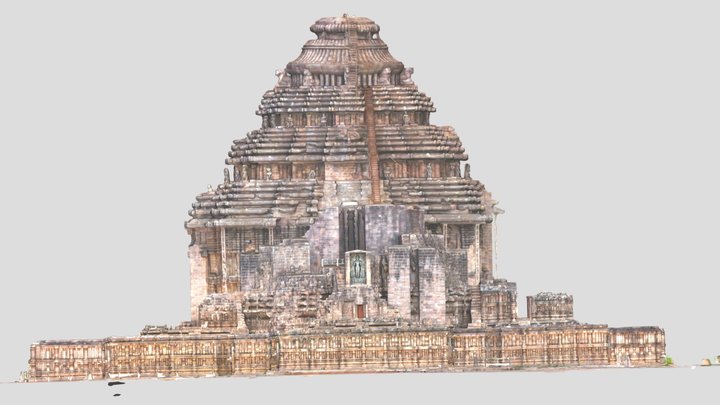
Conceived as a colossal celestial chariot for the Sun God Surya, pulled by seven spirited horses on 24 intricately sculpted sundial wheels. Built of Khondalite and Chlorite stone, it embodies the peak of Kalinga temple architecture.
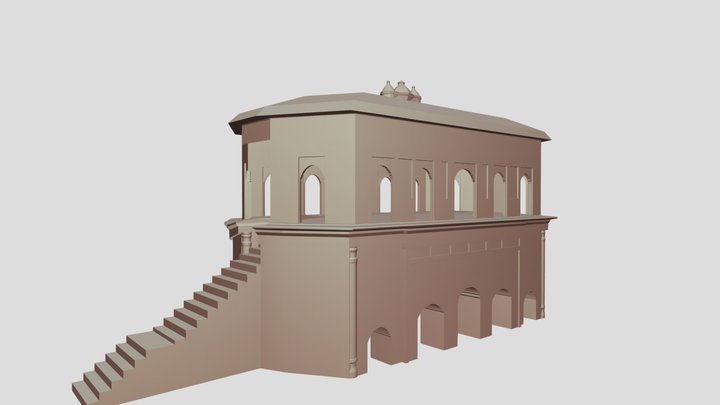
Constructed by Swargadeo Pramatta Singha in the royal capital of Rongpur, Rang Ghar ('House of Entertainment') is a two-storied oval pavilion from which Ahom royalty enjoyed elephant fights, buffalo matches, and indigenous wrestling during the Rongali Bihu festivities.
Revered as one of the 108 sacred Divya Desams, blending Kerala and Dravidian temple architecture. Renowned for its 100-foot seven-tier Rajagopuram, 365 carved granite pillars in the corridor, and sacred underground royal treasure vaults.
Marking the sacred spot where Prince Siddhartha Gautama attained supreme enlightenment under the Bodhi Tree. The 55-meter grand pyramidal temple stands as one of the oldest all-brick structures surviving in India.
Regarded as one of India's finest surviving red brick temples, built with precision-carved terracotta bricks on a massive stone jagati. Dedicated to Lord Vishnu, featuring intricate Krishnaleela doorframe reliefs and Pancharatha shikhara.
A masterpiece of Baroque and Mannerist architecture built of unplastered red laterite stone and Basalt. Houses the sacred relics of St. Francis Xavier in a silver casket inside a multi-tiered Florentine marble mausoleum.
Built in 1530 CE by royal treasurers Virupanna and Viranna under Vijayanagara Emperor Achyuta Deva Raya. Globally celebrated for its gravity-defying hanging pillar, colossal monolithic Basavanna Nandi, seven-hooded Nagalinga, and vibrant Puranic frescoes.
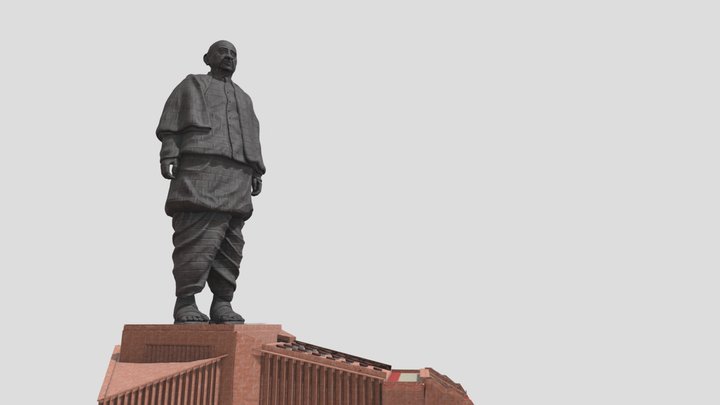
Soaring 182 meters (597 feet) above the sacred Narmada River facing the Sardar Sarovar Dam, this colossal bronze-clad colossus honors Sardar Vallabhbhai Patel, the 'Iron Man of India' who unified 562 princely states into one sovereign nation. Sculpted by master artist Ram V. Sutar.
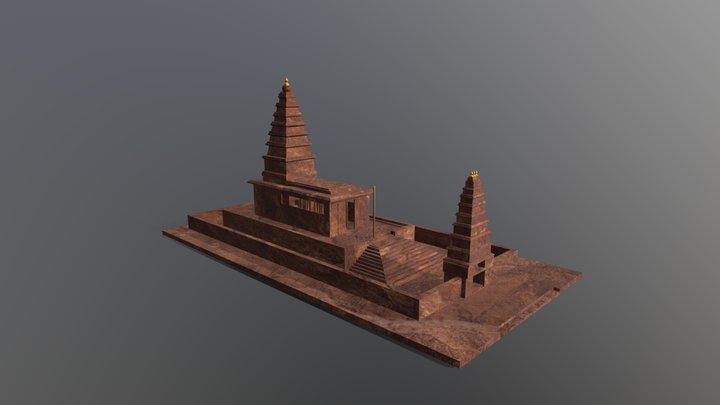
Cluster of over 100 stone Latina Nagara temples nestled in a sacred Deodar cedar valley, housing the ancient Maha Mrityunjaya Mahadev shrine in the Kumaon Himalayas.
Floating jewel of the Manikya kings built in the center of Rudrasagar Lake, fusing Hindu and Mughal pavilions with motorboat landing docks and royal water gardens.